The Energy Transition in 2025: Progress, Gaps, and the Critical Role of BESS
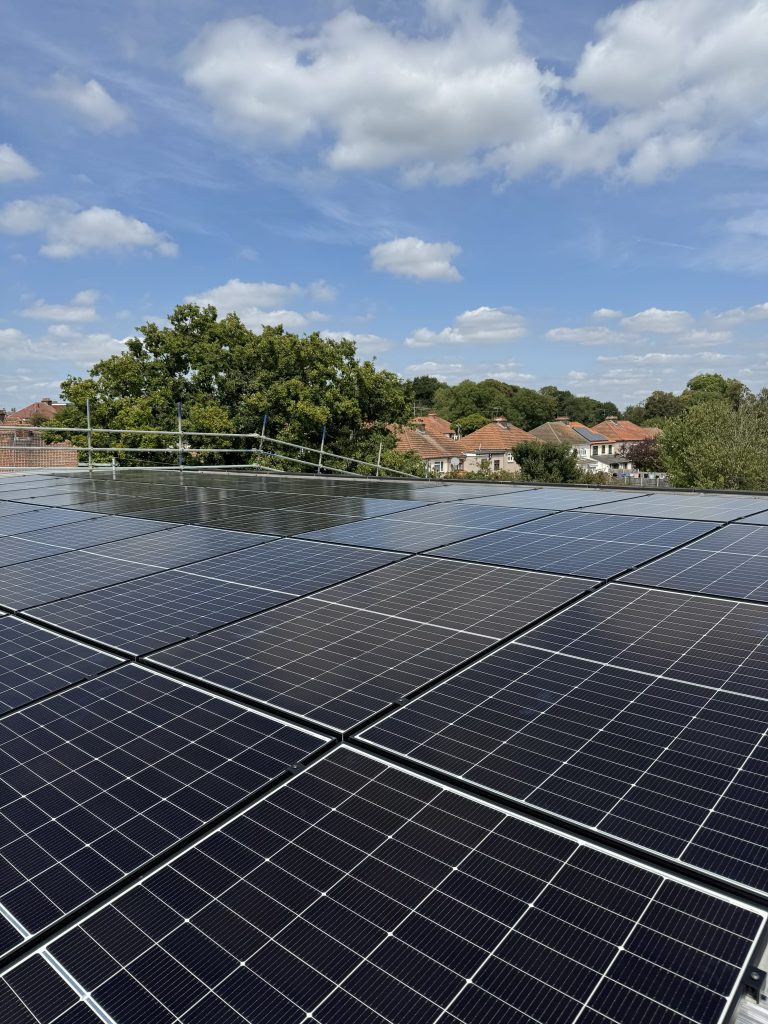
Four years after the Paris Agreement’s key 2030 checkpoints became widely recognised, the pace of the global energy transition shows both encouraging momentum and sharp reality checks. In its January 2026 update Tracking the Energy Transition: Where Are We Now?, McKinsey & Company evaluates progress across nine decarbonisation technologies including renewables, EVs, hydrogen, nuclear and Battery Energy Storage Systems (BESS) across China, Europe and the United States against their 2030 targets.
Energy Transition Progress: Growth Amidst a Widening Delivery Gap
The analysis reinforces that global emissions continue to rise, with less than 15% of the low-carbon technologies needed by 2050 deployed today, only marginally higher than two years ago. Although annual deployment of clean technologies like solar and EVs has accelerated global renewable capacity grew by 15% in 2024 and EV sales grew by around 25% the aggregated pipeline remains insufficient to meet intermediate 2030 targets.
Across regions, China’s ambitious rollout has already exceeded its 2030 targets for combined wind and solar capacity, yet this milestone might still fall short of what is necessary for its longer-term net-zero goal by 2060. Europe and the United States have made notable progress, but project pipelines — particularly in offshore wind and hydrogen — lag behind what’s required to stay on a Paris-aligned trajectory.
Where BESS Fits into the Transition
One of the most strategically significant areas in the 2025 stocktake is Battery Energy Storage Systems. McKinsey’s expanded methodology now includes BESS in its core technology list, reflecting the increasing importance of storage in energy systems.
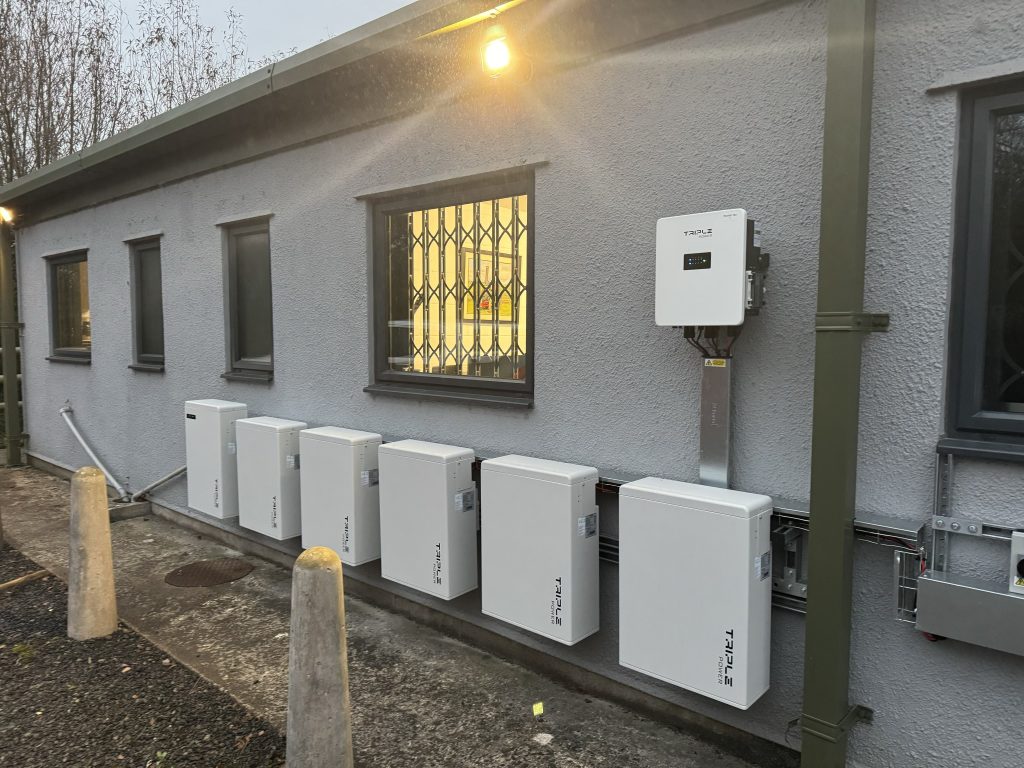
While none of the analysed regions currently has enough planned or announced BESS capacity to meet its 2030 targets, the technology’s rapid adoption trajectory creates a compelling growth opportunity. Overall battery storage deployment has accelerated significantly over the past few years both for utility-scale projects and behind-the-meter systems paired with rooftop solar driven by declining costs and stronger business cases for operators.
Why BESS Matters: Grid Resilience, Revenue Stacking, and Monitoring Advantage
BESS plays a critical enabling role in the transition by addressing the intermittency of renewable generation. Unlike conventional generation assets, battery storage systems can be sited quickly, commissioned in shorter build cycles, and scaled modularly, making them operationally attractive compared to long lead-time technologies like nuclear or large-scale CCUS.
Beyond balancing supply and demand, BESS offers diversified revenue streams through ancillary services, peak shaving and energy arbitrage — monetising grid flexibility in ways that conventional generators cannot.
Another overlooked advantage of BESS lies in monitor ability and digital optimisation. Modern battery systems typically integrate advanced energy management and remote monitoring platforms — providing real-time visibility into state-of-charge, performance, degradation and forecasting metrics. This high degree of operational transparency not only reduces risk for investors and grid operators, but also supports predictive maintenance, performance benchmarking and dynamic dispatch strategies. The ability to monitor performance data granularly means faster insight into system behaviour, smoother integration with distributed energy resources (DERs), and improved forecast accuracy — all key to unlocking the full value of battery storage at scale.
Challenges Ahead — Policy, Costs, and Strategic Alignment
Although BESS is advancing fast, the overall energy transition faces headwinds: stagnating policy support in some regions, rising raw material and financing costs, and geopolitical uncertainty all pose risks to keeping decarbonisation on track. Renewables such as solar PV are expanding rapidly, but technologies with longer construction times — like offshore wind and green hydrogen — continue to drift behind schedule.
If 2030 goals are to be met, stakeholders will need to accelerate final investment decisions (FID), align regulatory frameworks with market incentives, and capitalise on technologies that deliver value quickly and flexibly. BESS is one of the few technologies that can bridge near-term capacity gaps and provide grid flexibility at scale, making it an essential cornerstone of the energy transition strategy.